
In Fashion, Ugliness Is Currency
Privilege, among many other things, is the ability to render ‘ugly’ palatable. In times where rebellion is idolised and traditionalism shunned, elitism must find itself a new dwelling. Polish and pomp simply will not suffice, declares fashion again and again. Exclusivity has long transcended the realm of obtrusive logos and exotic leathers, becoming something far more cryptic than one may care to admit.
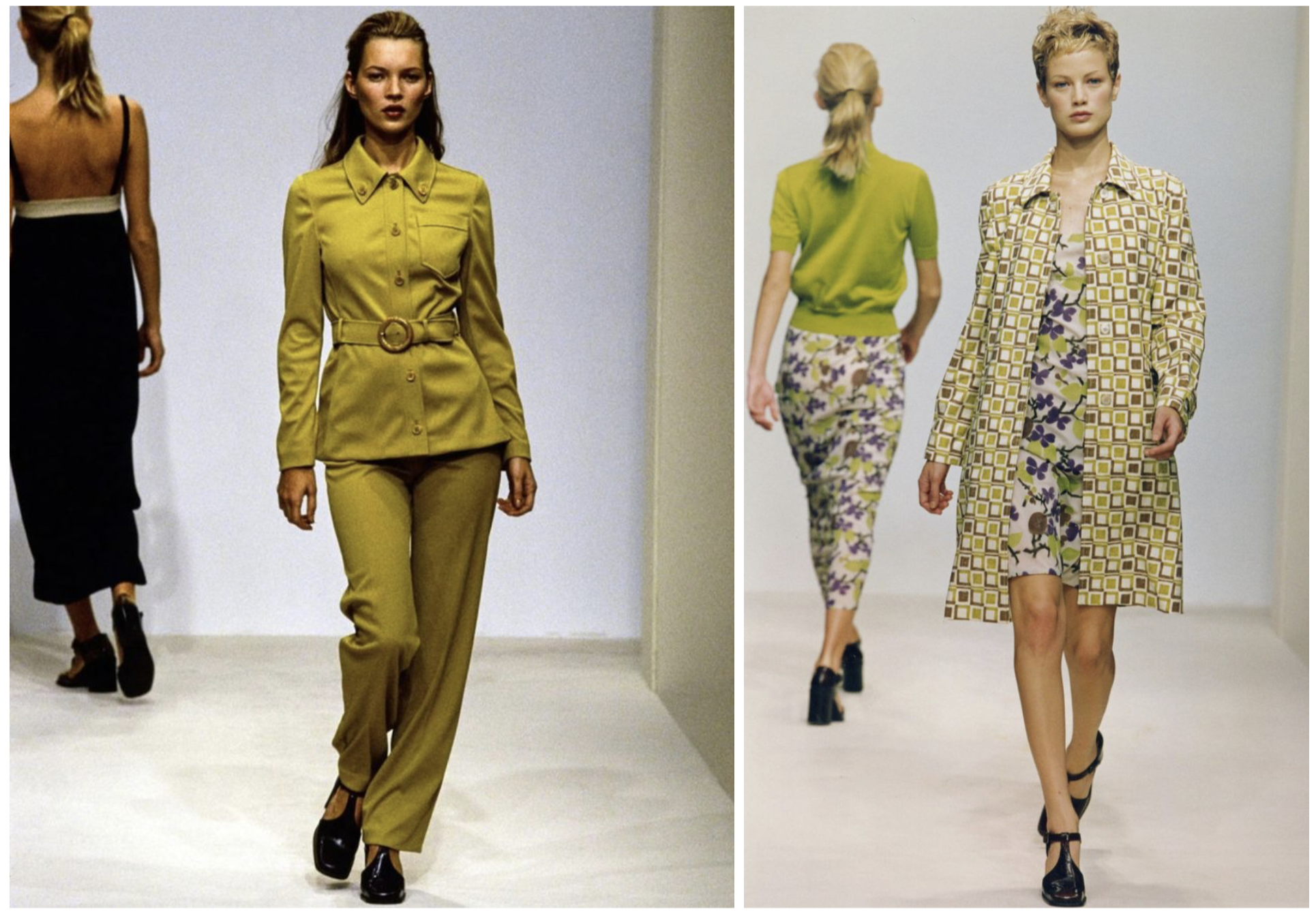
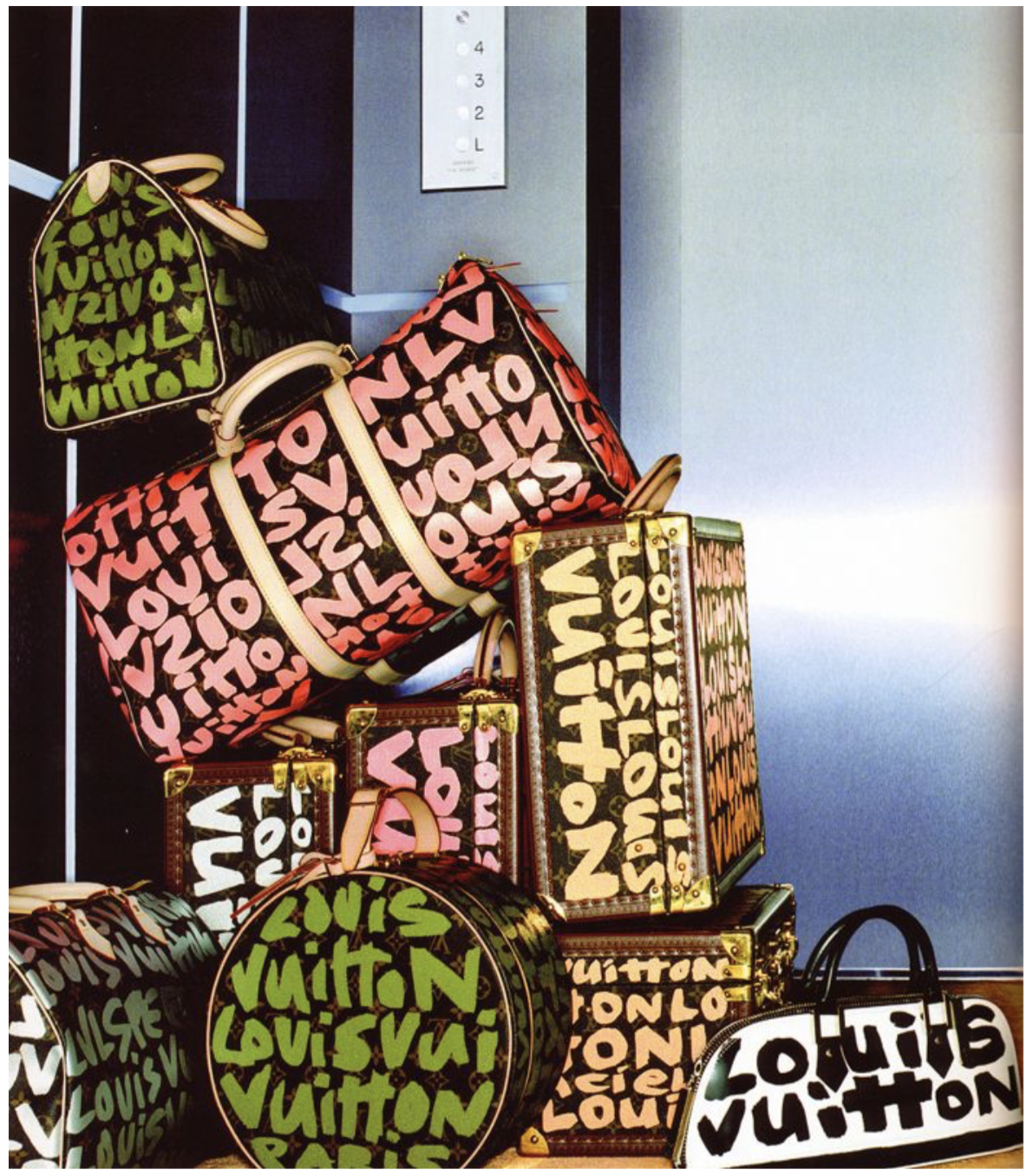
The 1990s saw the genesis of ‘Ugly Chic’, following Miuccia Prada’s SS96 collection, Banal Eccentricity. It was a polarising display that offered murky palettes, incohesive prints, and what appeared to be flimsy textiles. From the moment flamboyance was eschewed on that runway, luxury had decidedly lost its old meaning. If Prada forged this ideological paradigm, then Louis Vuitton’s 2001 collaboration with Stephen Sprouse was its radical successor. Under the creative direction of Marc Jacobs, the heritage brand altered its monogram for the first time in history. Scrawled over the classic monotone canvas were vibrant, hand-drawn graffiti prints and large neon roses. Seemingly, luxury had ceased to play by its own rules, and for good.
Though to one’s disappointment, “anti-snob snobbism” was how Jacobs himself described the collaboration. His confession is pretty self-explanatory: anti-snobbism has been claimed as a mantra for the elite, a mouthpiece that sets out to perpetuate the very thing it critiques. Fashion’s most venerated monogram defaced, drenched in gaudy vandalism – though not for rebellion’s sake, but simply because it can. Chaos once defined bad taste; the next second, it is colonised. In the name of tasteful transgression, ‘ugliness’ becomes proof of privilege. Where perfection becomes increasingly banal, prestige must reinvent itself to survive, naturally – and somehow the first instinct was to gentrify the proletariat. The game is stupidly simple: how far can you take ‘ugly’ while remaining a la mode?
Less straightforward, however, is the definition of privilege. Never has the spirit of capitalist consumerism been more pervasive than it is today. With increased demand for luxury goods comes increased supply; and with increased availability comes increased accessibility. Indulgence thus boils down to mere necessity. Privilege is no longer synonymous with wealth, and must extend to facets beyond the monetary. Certainly, money can buy you six (or seven) Chanel 22s in the swampiest shade of green – but then comes the real challenge: pulling it off. What does it take to visually reconcile the crinkled, saggy lambskin with its nominal value? To beautify the conventional ‘ugly’ is an art, and arguably one of the highest calibre. Ugliness becomes currency only once it’s proven that it can be made palatable – and this requires a wardrobe of possibilities, trial and error, and of course, a certain threshold of beauty met with ease.
For better or worse, this is a game only few can participate in. Not because ugliness is scarce, but because it has everything to do with potential, the metamorphosis of ‘ugly’ once it is placed in one’s hands. Elitism is hardly ethical, but in this case, it accomplishes at least one thing: excessive requisites prevent it from falling prey to the microtrend epidemic. As a matter of practicality, eccentricity is simply unsustainable; the majority’s patronage will always reside with the neutral. Consider the electric hues of the 70s, for example: an explosive phenomenon that never quite found its way home. Compare that with the debut of butter yellow two summers ago: a rare specimen of a microtrend that actually fossilised. It is structurally improbable for extremeness and polarity to resonate well with the masses – let alone what is deemed ‘ugly’.
But still, a quieter truth speaks: such elitism endures partially because we allow it. It is an age of individuality complexes that we live in, characterised by a perennial quest for a non-existent niche. Suddenly, everything bears the label of whimsy, even where there is none; esoteric becomes a wishful thinker’s favourite self-diagnosis; vintage is coveted not for the frugality’s sake, but from a desire to possess the unpossessed. We are not only slaves to capitalism, but also to the unhelpful practice of categorisation, binary thinking, and performed taste — and insofar as this obsession with performance persists, ‘ugly’ shall remain the elite’s best kept secret. Funk, camp, editorial – whatever we may wish to call it – is merely counterfeit where we choose to inhabit rather than create. Perhaps the game is hardly about ugliness or snobbery, then, but a privilege that is painfully intangible, and infinitely easier said than done.
That is, the audacity to risk criticism; the knowledge of having nothing to lose; and unwavering faith in one’s instincts, sartorial and beyond.